Eyes (1982): Digitrex, Techstar and Rock-Ola
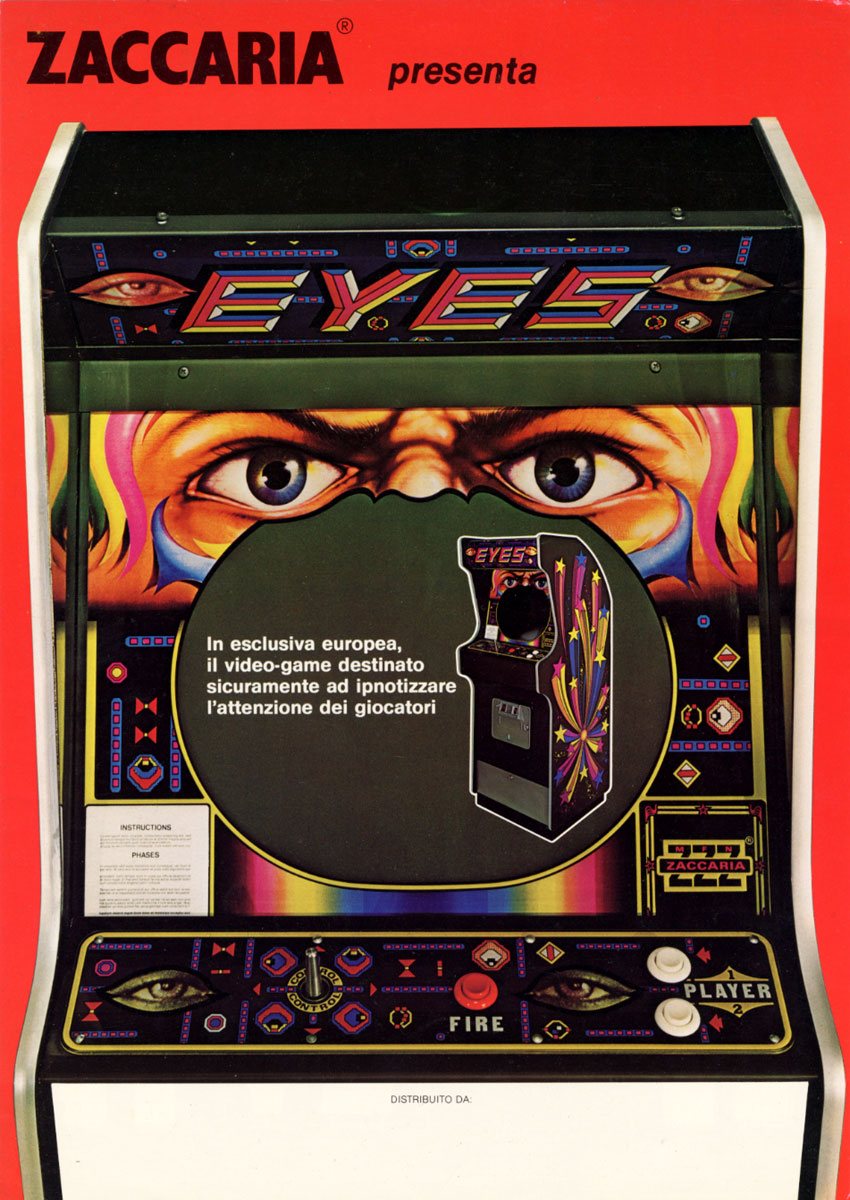
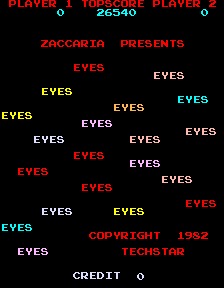
“Zaccaria presents Eyes. A European exclusive: the video game sure to hold players’ attention spellbound.” The lower distributor field reads “Distributed by.”
If one game can be used to explain how Techstar operated, it is Eyes. Released in 1982, the colorful maze game became Techstar's best-documented arcade title and brought the small Miami company into business with two established coin-op manufacturers: Rock-Ola in the United States and Zaccaria in Europe. It also demonstrates why Techstar's history has to be handled carefully. Depending on which surviving cabinet, title screen, advertisement, or database entry is examined, Eyes can appear to be a Rock-Ola game, a Zaccaria game, a Techstar game, or a Digitrex game. Each description contains part of the truth.
Sanchez, Digitrex, And Techstar
The clearest starting point is the original U.S. copyright record. Eyes was registered as an unpublished videogame on March 3, 1982. The record identifies Luis Sanchez, doing business as Digitrex, as the author and identifies Techstar, Inc. as the copyright claimant. That distinction is important. The surviving evidence supports Sanchez and Digitrex as the creative source of the game while Techstar controlled rights to it. It does not justify simply replacing those credits with "developed by Techstar." Digitrex itself was a real Florida corporation, separate from Techstar. Period material occasionally blended the two names commercially, including the wording "Digitrex Techstar" seen within one version of the program, but no surviving corporate record establishes that as the legal name of a combined company. The exact contractual relationship between Digitrex and Techstar remains unknown.
The Copyright Deposit And The Separate Digitrex Corporation
The official copyright dataset contains more than the short author-and-claimant line. The unpublished Eyes registration, PAu000404740, is dated March 3, 1982 and records a deposit consisting of one film reel and a one-page description submitted in lieu of the videogame itself. The author entry reads "Luis Sanchez d.b.a. Digitrex, employer for hire," while Techstar, Inc. is the claimant. The dataset also records Sanchez's birth year as 1948.
Later firsthand recollection complicates any attempt to turn that copyright line into a definitive hands-on programming credit. A former Techstar engineer, whose identity is withheld at his request, did not recognize Luis Sanchez as the programmer he remembered for Eyes; he recalled the programmer instead as a young European man whose name he could no longer remember. Memory decades after the fact cannot overturn the primary copyright record, but the two sources answer different questions. The registration firmly documents Sanchez / Digitrex on the authorship side and Techstar as claimant; the identity of the person who actually wrote the game code remains unresolved.
Digitrex was not merely a trade name floating around Techstar paperwork. Digitrex, Inc., Florida document number F71321, was filed on March 17, 1982, only two weeks after the Eyes registration. Its address was 2760 N. Bay Road, Miami Beach, Florida 33140. Mineya C. Sanchez was the registered agent; Luis Sanchez was listed as president, treasurer and director, and Mineya C. Sanchez as secretary and vice president. Digitrex filed a 1983 annual report and was involuntarily dissolved on November 21, 1984. None of those corporate records merges Digitrex into Techstar.
Rock-Ola Takes Eyes National
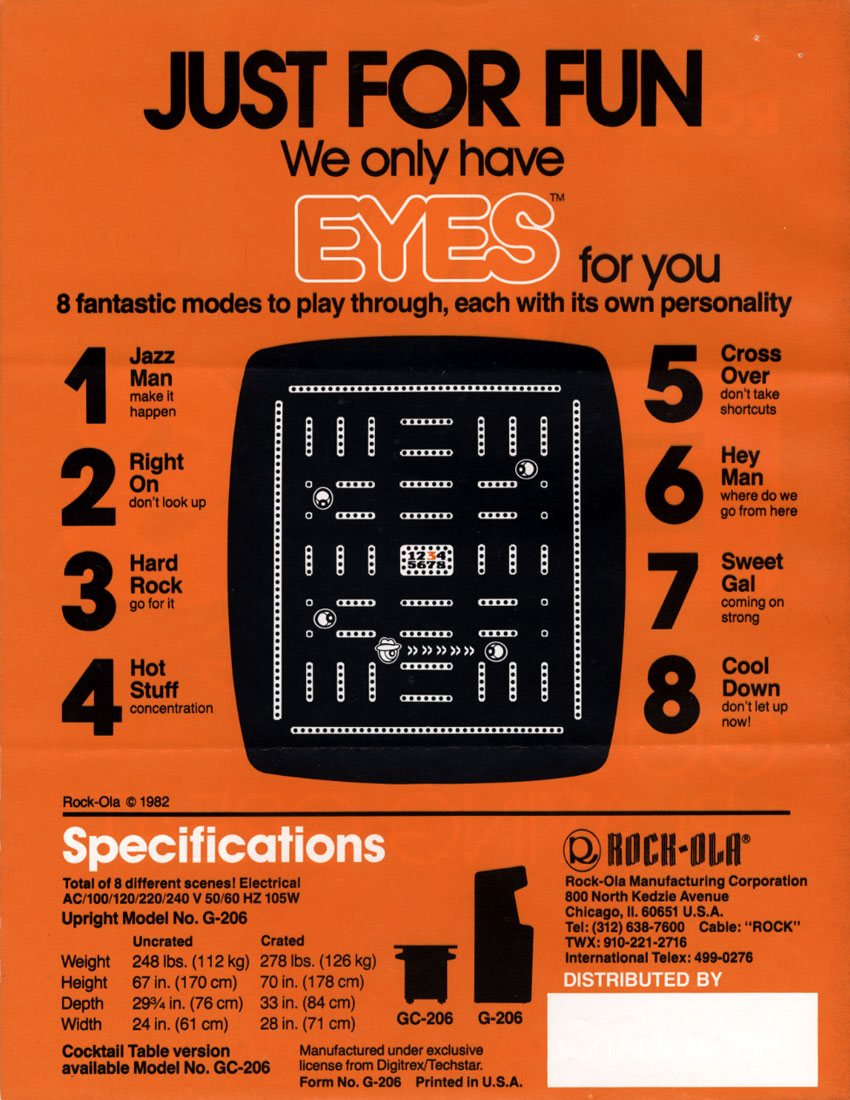
The May 22, 1982 Cash Box report and its signing-photo caption identify Bill Olliges as Techstar president and Ed Miller as a Techstar consultant. They describe the Rock-Ola/Techstar Eyes agreement and indicate that sample upright and cocktail machines were expected to begin reaching distributors during May. Rock-Ola Manufacturing Corporation brought an established American coin-op manufacturing and distribution business to the agreement. Rock-Ola did not merely distribute an anonymous Techstar cabinet. Its surviving documentation shows a formal Rock-Ola product. The upright version was sold as Model G-206, while a cocktail-table version was offered as Model GC-206. Rock-Ola produced sales material, cabinet specifications, parts documentation, and a complete service manual for the game. Its flyer described the machine as manufactured under exclusive license from Digitrex/Techstar.
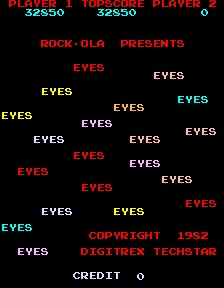
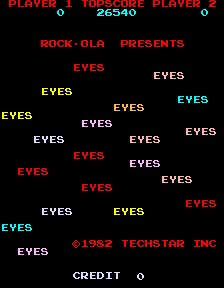
That single sentence neatly captures the division of roles. Sanchez and Digitrex stand behind the game's authorship. Techstar appears as the rights holder and licensing party. Rock-Ola manufactured and sold its own implementation of the game. The distinction becomes even clearer on the machine itself. Surviving U.S. program versions begin with "ROCK-OLA PRESENTS," but the copyright wording underneath varies. One preserved version credits "COPYRIGHT 1982 DIGITREX TECHSTAR," while another simply displays "©1982 TECHSTAR INC." These variations are evidence of different surviving program sets and commercial presentations. They are not evidence that Rock-Ola suddenly became the original developer.
Eight mazes and a distinctive pursuit game
Eyes belongs to the crowded family of early-1980s maze games that followed Pac-Man, but its presentation is difficult to mistake for anyone else's. Rock-Ola advertised eight different scenes, each with its own maze layout and escalating difficulty. The flyer even gave the stages playful names such as Jazz Man, Right On, Hard Rock, Hot Stuff, Cross Over, Hey Man, Sweet Gal, and Cool Down. The maze display, giant eyeball imagery, vivid colors, and ability to attack enemies gave the game a personality considerably stranger than its simple premise suggests. It was exactly the sort of visually peculiar title that could stand out in an arcade already overflowing with maze games.
Rock-Ola leaned heavily into that visual identity. Its orange sales flyer surrounds the gameplay screen with the enormous word EYES, while the cabinet artwork turned staring eyes into the game's dominant graphic motif.
Eyes Goes To Europe
Italian manufacturer Zaccaria produced a licensed European version of Eyes and gave it one of the most elaborate cabinet treatments associated with the game. Its advertising explicitly presented Eyes as a European exclusive. The cabinet used enormous painted eyes across the front artwork, a heavily decorated control panel, and a marquee that transformed the title into a large geometric logo. Zaccaria's flyer also shows that the company was selling the game as a distinctly Zaccaria product rather than simply importing a Rock-Ola cabinet. The program reflects the same regional adaptation. Where the American sets say "ROCK-OLA PRESENTS," the preserved European program says "ZACCARIA PRESENTS." The underlying copyright remains with Techstar.
These regional presentations reflect different responsibilities within the same licensing network. Rock-Ola manufactured and presented Eyes in the United States, and Zaccaria did so in Europe. Techstar held the rights, while Sanchez and Digitrex remained the documented source of the work.
A Small Hardware Mystery
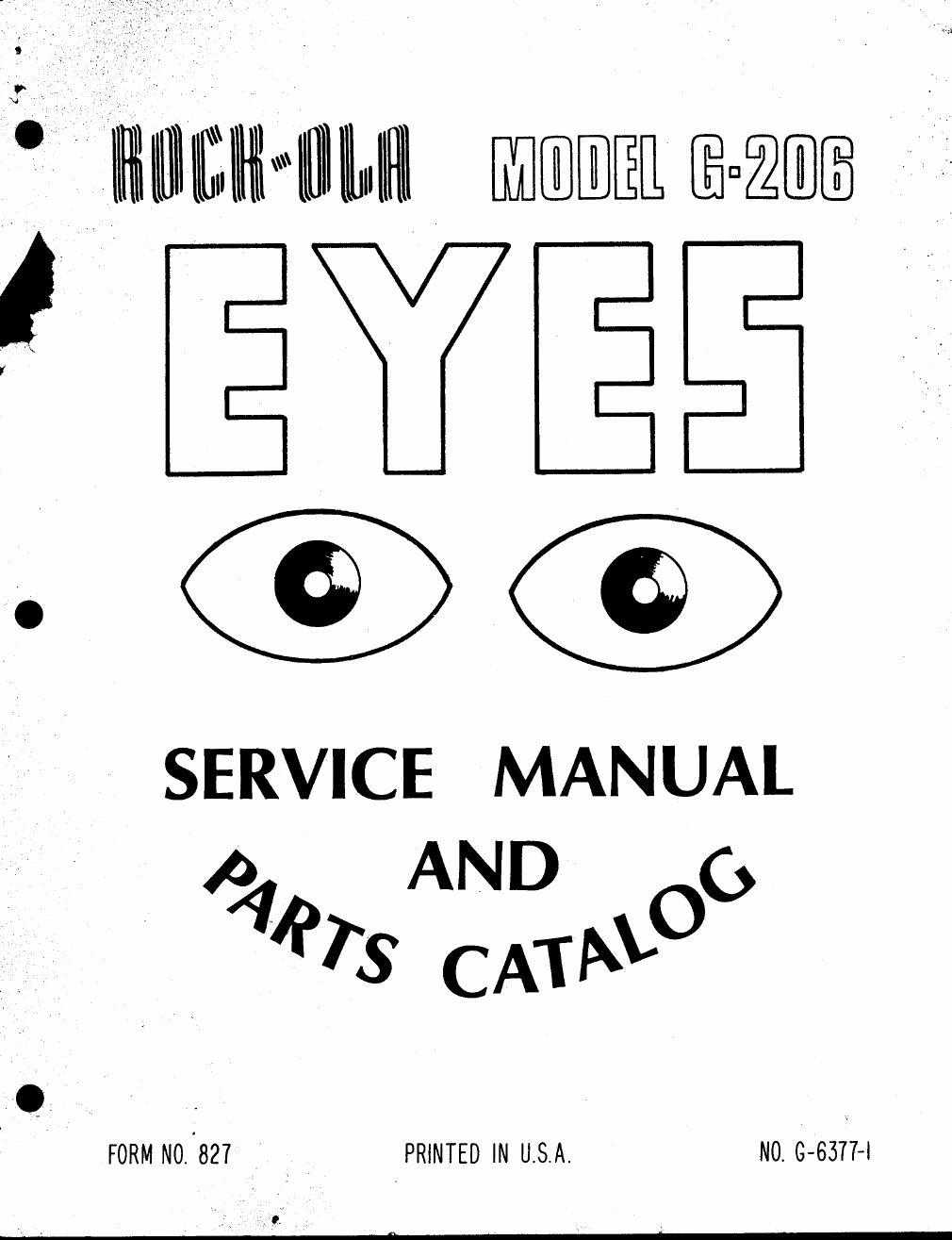
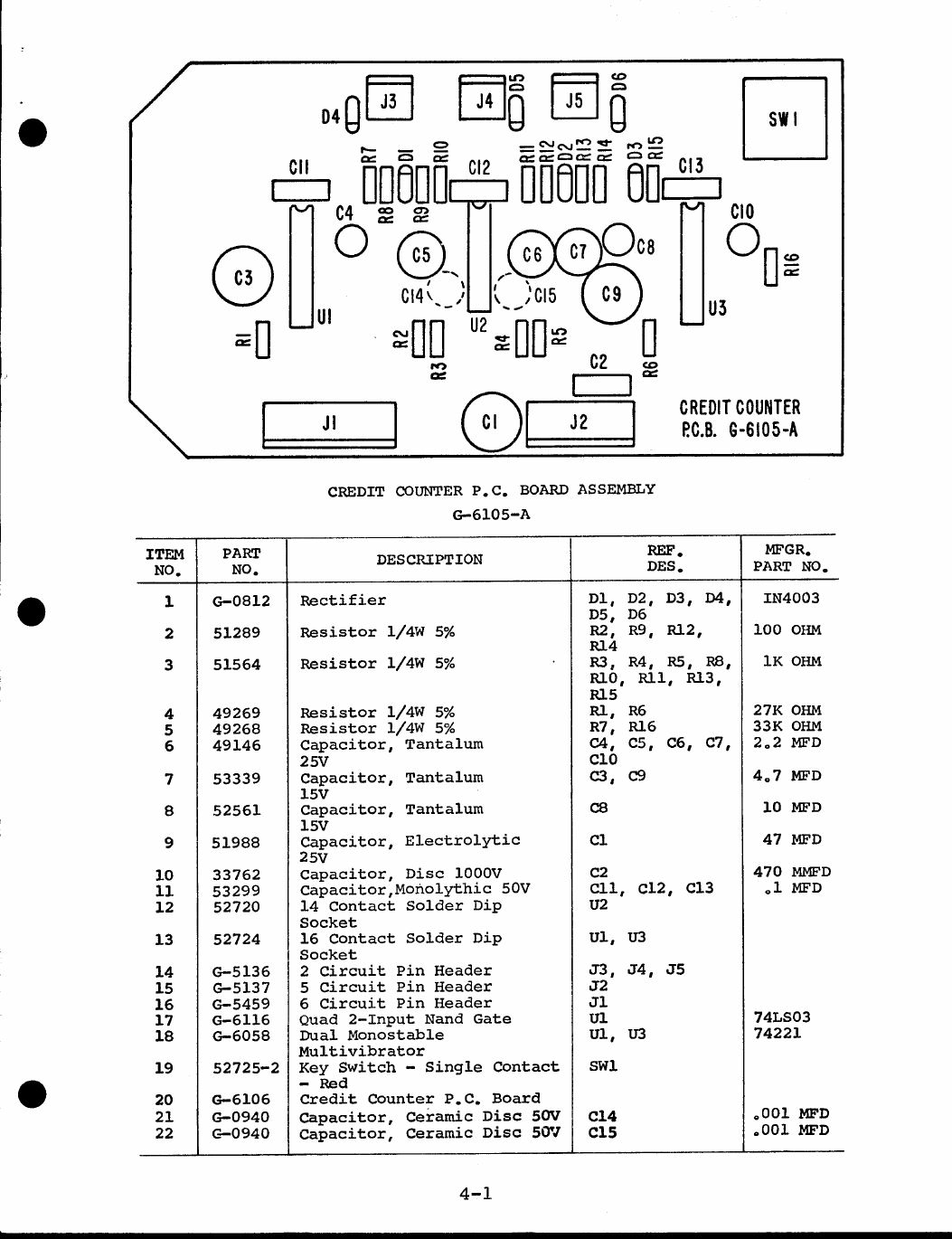
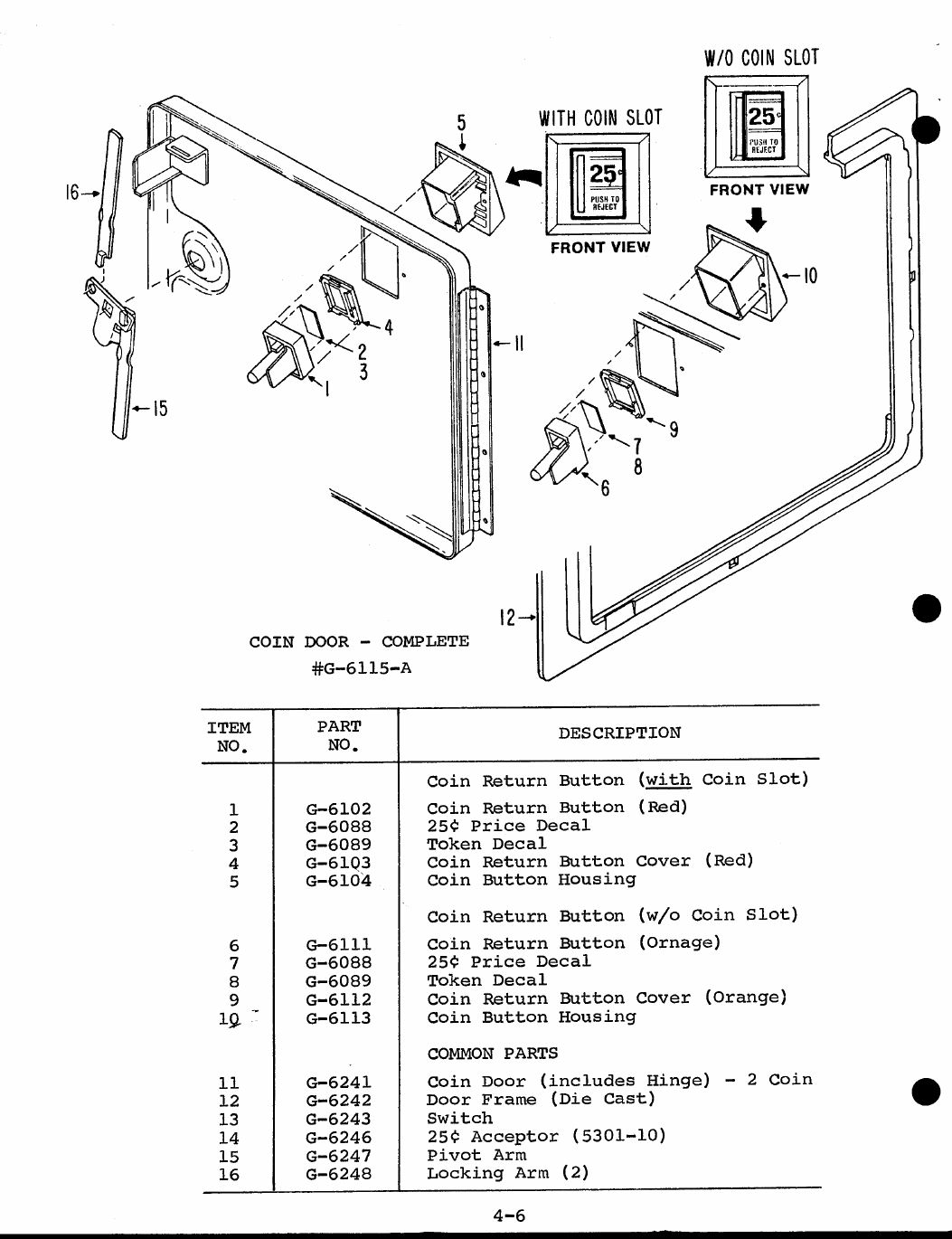
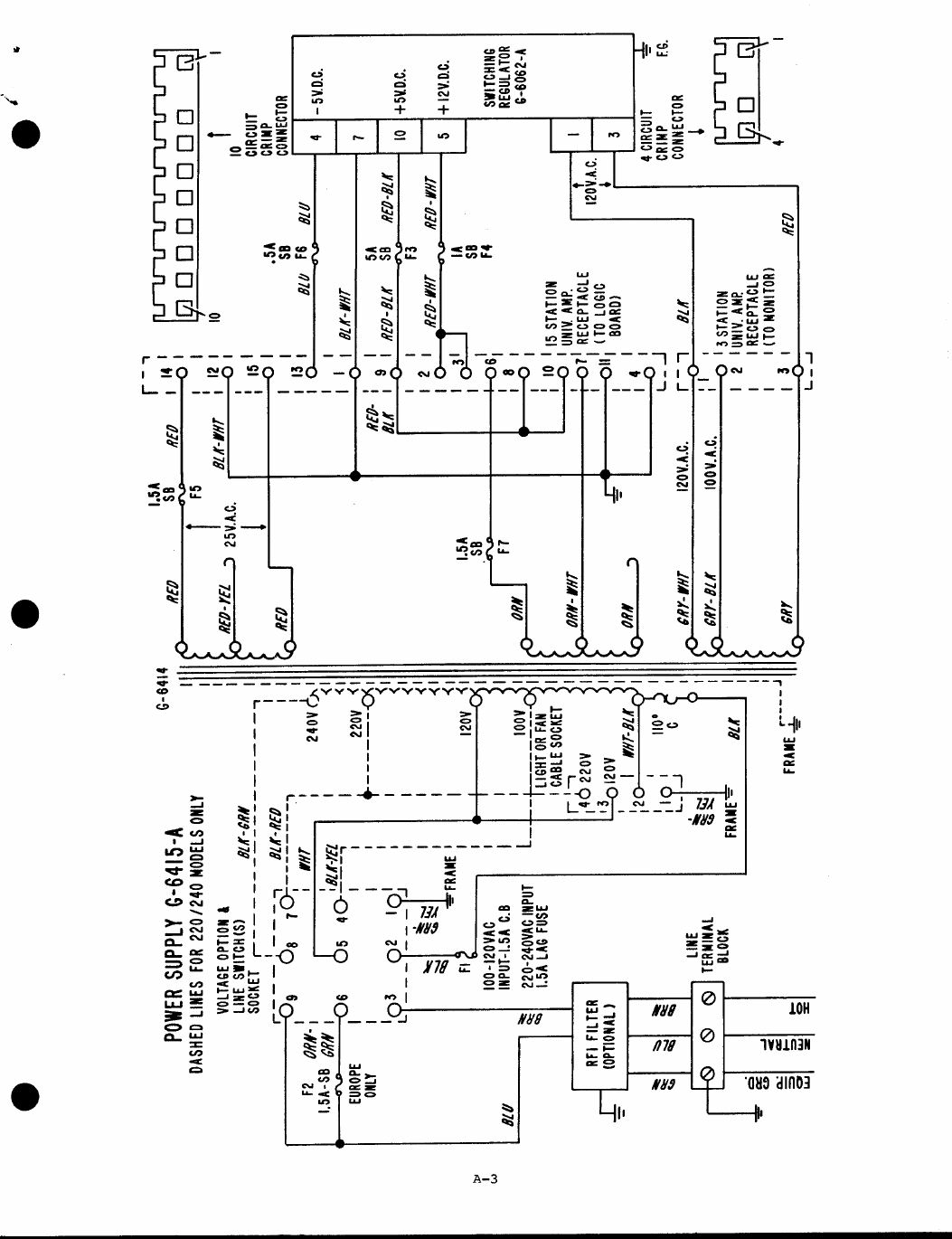
Rock-Ola’s service documentation uses G-6390-A for the game-board assembly and G-6395-A for the complete game PCB in cabinet and replacement-parts contexts. These are different levels of parts identification within the documentation; the manual does not establish separate board generations. A surviving collector-documented Eyes board introduces a separate curiosity. It carries markings including TECHSTAR-III, Miami 1982, and Made in Japan, along with a Rock-Ola identification sticker and a handwritten C6390-A notation. That board is important, but its meaning is not yet known. Techstar later used other numbered hardware markings, including TECH-II, but there is currently no evidence proving a neat TECH-I, TECH-II, TECHSTAR-III sequence. That hardware puzzle belongs later in the Techstar story.
Survivor Evidence, With Limits
Collector restoration evidence also suggests that at least one Rock-Ola Eyes cabinet may have involved cabinet reuse or conversion, but a single survivor cannot be turned into a factory-wide policy. The broader conclusion is deliberately narrow: individual cabinets can preserve histories of repair, conversion and reuse that do not necessarily describe how every unit left the manufacturer.
The Game That Explains The Company
There are still things we do not know about Eyes. No reliable production total has been found. The company that physically fabricated the Techstar-marked Japanese boards remains unidentified. The exact contract between Sanchez, Digitrex, and Techstar has not survived in the accessible record.
Eyes provides an unusually complete record for a Techstar title: a named creator, Techstar’s documented rights position, a contemporary licensing agreement, two manufacturing partners, multiple cabinet formats, service documentation, advertisements, surviving program variants and physical boards. Together they show how Techstar could be central to a game without writing every line of code or building every cabinet. It could acquire or control rights, arrange manufacturing, license a title into different territories, supply hardware, and connect independent creators with companies able to put machines onto arcade floors.
That arrangement carried a Florida-created game into Rock-Ola cabinets in America and Zaccaria cabinets in Europe. Macho Mouse involved a different combination of companies, with Amenip Corporation supplying the documented work.
Sources for this chapter
U.S. Copyright Office records; Cash Box; Rock-Ola service manual and flyers; Zaccaria flyer; preserved program screens; and collector hardware documentation.
Sources and further reading
- Eyes registration — U.S. Copyright Office public data
Government copyright record.
- Rock-Ola and Techstar Eyes licensing report — Cash Box, 1982-05-22
Contemporary trade publication.
- Rock-Ola Eyes flyer — Arcade Flyer Archive
Contemporary sales flyer.
- Eyes service manual — Rock-Ola
Primary technical manual.
- Zaccaria Eyes flyer — Arcade Flyer Archive
Contemporary sales flyer.
- Pac-Man hardware driver — MAME source
Technical secondary source.
- Eyes, Gorkans, Mr. TNT, and Lizard Wizard title screens — MDK
Derived software images.
- Rock-Ola Eyes restoration thread — KLOV forum
Collector restoration evidence.
- Techstar-III board page — Lawnmowerman / Rotheblog
Collector hardware evidence. Collector documentation; the hardware markings do not establish a numbered platform sequence.
- Zaccaria versus Rock-Ola Eyes boards — Dragon’s Lair Fans forum
Collector hardware comparison.

